What We Have Covered in This Article
Yes, cutting wet wood can dull a chainsaw faster than cutting dry wood. The presence of moisture increases resistance, leading to quicker blade dullness.
Cutting through wet wood poses a unique challenge for chainsaw operators. As the go-to tool for tree felling, pruning, and cutting firewood, chainsaws must maintain sharpness for effective, efficient, and safe operation. When tackling wet wood, the chainsaw’s teeth encounter a higher level of friction due to the moisture-laden fibers, causing them to lose their edge quicker than when cutting dry wood.
This not only affects the cutting performance but can also increase the wear on the chainsaw’s motor as it works harder to power through the soggy material. Keeping your chainsaw sharp becomes essential, especially for those jobs involving wet conditions, and understanding the impact of moisture is critical for any chainsaw user. Regular maintenance and sharpening are imperative to extend the life of your chainsaw and to ensure consistent performance, regardless of the wood’s moisture content.
The Impact Of Moisture On Chainsaw Blades
Using a chainsaw on wet wood might seem like a usual task. But does the moisture affect the chainsaw blade’s sharpness? Understanding how water interacts with metal and wood fibers is crucial. Let’s dive into the science behind it to keep your chainsaw in peak condition.
Effects Of Water On Metal
Water can cause metal to deteriorate over time. While chainsaws can cut wet wood, the moisture poses risks. Corrosion and rust become concerns, especially if the saw isn’t dried properly. Proper maintenance is key to avoiding these issues.
- Metal and water result in oxidation.
- Rust can form, dulling the chainsaw blade.
- Avoid long-term exposure to moisture.
Fiber Characteristics In Wet Wood
Wet wood has different cutting dynamics compared to dry wood. The fibers are tough and could make the blade work harder. This extra effort may lead to quicker dulling of the chainsaw.
| Condition | Wood Fiber Effect | Blade Impact |
|---|---|---|
| Wet | Flexibility increased | More tension on blade |
| Dry | Brittleness increased | Normal cutting resistance |
Regular sharpening after cutting wet wood is beneficial. This maintains the blade’s sharpness and ensures peak performance.
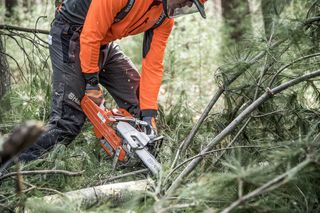
Wet Wood Vs. Dry Wood Cutting
Chainsaw users often wonder how different types of wood affect their tool’s performance. Specifically, does wet wood dull a chainsaw faster than dry wood? This section dives into the core of the matter, examining the effects of cutting wet wood versus dry wood on a chainsaw’s sharpness and overall wear.
Physical Demands On The Chainsaw
Cutting wet wood may seem smoother due to moisture acting as a natural lubricant. Yet, this can be deceptive. Wet wood is heavier and can place more strain on the chainsaw’s motor and cutting chain. Dry wood, while harder, typically presents consistent resistance, resulting in predictable wear.
Assessing Blade Deterioration
The rate of blade dulling in chainsaws is a key concern. Cutting through wet wood can cause the saw’s teeth to dull quickly, as they encounter a mix of water and grit. On the other hand, dry wood can maintain a blade’s edge for longer durations but may cause more heat buildup due to friction.
| Parameter | Wet Wood | Dry Wood |
|---|---|---|
| Weight | Heavier and denser | Lighter and less stressful on equipment |
| Cutting Resistance | Variable, can be low due to moisture | Consistent and predictable |
| Blade Longevity | Dulls faster from water and dirt | Keeps a sharper edge but may overheat |
Maintenance Tips For Chainsaw Longevity
Maintenance Tips for Chainsaw Longevity are crucial for any chainsaw owner. Wet wood can dull a chainsaw blade faster. But with proper maintenance, you can keep your chainsaw sharp and efficient. Follow these essential tips to extend your chainsaw’s life.
Proper Cleaning Techniques
Clean your chainsaw after each use to prevent sap and debris buildup. Here’s how:
- Turn off the chainsaw and let it cool down.
- Remove the chainsaw chain and bar.
- Use a soft brush to clean the bar’s groove.
- Wipe the chain with a cloth and apply oil.
- Clear the air filter with a blower or wash it if needed.
Blade Sharpening And Care
Keep the blade sharp to cut effectively. Follow these steps:
- Secure the chainsaw in a vise.
- Use the correct size file for your chain.
- File each tooth’s cutting edge at the recommended angle.
- Check for even sharpness across all teeth.
- Lubricate the chain before placing it back.
Maintain regular sharpening sessions to prevent dullness.

Best Practices For Cutting Wet Wood
Best Practices for Cutting Wet Wood: Cutting wood is a task that demands not only strength but also the right approach, especially when the wood is wet. When tackling wet lumber, understanding the nuances can mean the difference between a clean cut and a damaged chainsaw. Let’s explore the essentials for handling wet wood effectively and protecting your equipment in the process.
Choosing The Right Equipment
Selecting a chainsaw that’s up to the task is crucial when slicing through sopping wood. Start by considering these factors:
- A saw with higher power: Wet wood requires more force.
- Proper chain selection: Use chains designed for wet conditions.
- Regular maintenance: Ensure chains are sharp and well-oiled.
Additionally, picking the right protective gear, such as waterproof gloves and non-slip boots, is just as important for a safe and efficient cutting session.
Techniques To Minimize Damage
To minimize wear on your chainsaw and keep it sharp, level up your cutting technique. Here’s how:
- Less pressure on the saw: Let the tool do the work.
- Avoid dirt and debris: Clean the wood before cutting.
- Steady pace: Keep a consistent speed; don’t rush.
By staying mindful of these strategies, your chainsaw stays in top shape for longer, and your cuts remain precise, even with challenging wet wood.
Frequently Asked Questions
Can Wet Wood Damage A Chainsaw Blade?
Using a chainsaw on wet wood will not directly damage the blade; however, it can cause the chainsaw to work harder, potentially leading to premature dulling of the teeth.
Is There A Difference In Cutting Wet Vs. Dry Wood?
Cutting wet wood typically requires more effort from the chainsaw due to moisture content, resulting in faster wear and tear compared to cutting dry wood.
How To Maintain A Chainsaw Used On Wet Wood?
Regularly clean the chain and guide bar, sharpen the teeth, and ensure proper lubrication to maintain a chainsaw that is frequently used on wet wood.
Does Wood Moisture Level Affect Chainsaw Sharpness?
Yes, cutting wood with a high moisture level can cause a chainsaw to dull quicker, as the soggy fibers and extra resistance affect sharpness.
Conclusion
Cutting wet wood can indeed cause your chainsaw to become dull faster than when slicing through dry timber. Proper maintenance and using the right equipment will ensure longer blade life. Remember, regular sharpening and a dry storage environment help maintain your chainsaw’s efficiency for future tasks.
Keep your wood-cutting experiences hassle-free by staying informed and prepared.
Leave a Reply