What We Have Covered in This Article
Chainsaw blades typically last between five and ten hours of cutting time. Their longevity depends on the material cut and maintenance.
Chainsaws are a versatile and powerful tool for a variety of cutting tasks. From tree felling and firewood cutting to sculpting and construction, these tools are indispensable. Maintaining your chainsaw blade can be just as important as the cutting job itself.
A well-maintained blade ensures efficiency, safety, and proper function of the chainsaw. Regular cleaning, sharpening, and adjustment can extend the life of your chainsaw blade, while cutting harder materials or neglecting maintenance can significantly shorten it. Users must consider the type of wood and usage frequency when estimating the life span of their chainsaw blades, and embrace proper maintenance to ensure peak performance of their tools.
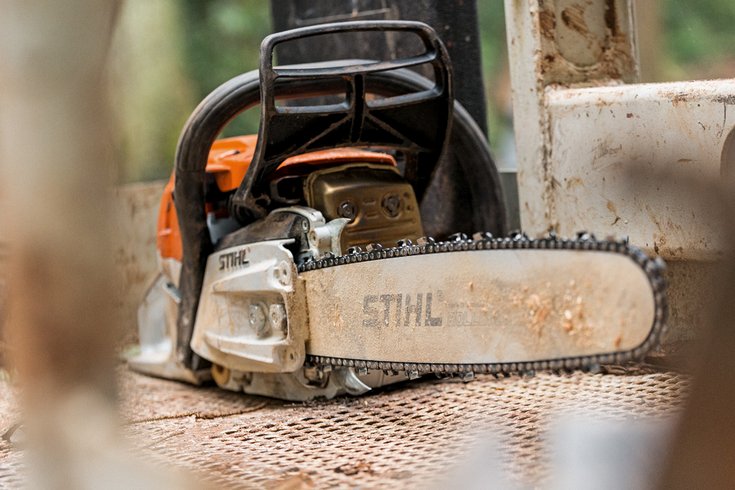
Factors Influencing Chainsaw Blade Longevity
Let’s dive straight into the forces at play behind the lifespan of a chainsaw blade. From the variety of wood you tackle to diligent upkeep, every aspect has a significant role. Understanding these can save you time and cash.
Type Of Wood Cut Regularly
The hardness and density of the wood you cut will greatly affect blade longevity. Soft woods like pine can be easier on blades, while hard woods like oak demand more from your chainsaw.
- Softwood: Longer blade life
- Hardwood: More frequent sharpening needed
- Dirt and sand in bark shorten blade life
Chainsaw Maintenance Practices
Consistent and proper maintenance can extend your blade’s life significantly. A neglected chainsaw invites premature wear. Below is a checklist of routine tasks to keep chains functioning:
| Maintenance Task | Frequency |
|---|---|
| Clean the bar and chain | After each use |
| Check and tighten chain tension | Before each use |
| Sharpen the teeth | When signs of dullness appear |
| Lubricate the chain | All the time during use |
| Inspect for damage or wear | Regularly |

Average Lifespan Of Chainsaw Blades
The average lifespan of chainsaw blades is a topic that often sparks discussion among professionals and DIY enthusiasts alike. A chainsaw blade’s lifespan hinges on several factors, including frequency of use, maintenance, and the material being cut. Knowing what to expect and how to maintain your blade can save time and money.
Expected Use Timeline
On average, a well-maintained chainsaw blade can last anywhere between three to five years for occasional users, and anywhere from several months to a year for professional lumberjacks or arborists. It is crucial to note that these timeframes are not set in stone, as they significantly depend on proper care and usage.
- Casual Use (cutting firewood, small trees): expect 1-3 years.
- Regular Use (weekly tasks, moderate tree cutting): typically, 1-2 years.
- Heavy Use (daily professional use): the blade might need replacement as often as every few months.
Signs Of Dulling And Wear
Chainsaw blades will not abruptly stop working but will show gradational signs of wear. Look out for the following indicators:
| Sign of Wear | Explanation |
|---|---|
| Increased Sawdust Size | A blunt blade produces larger, more uneven sawdust. |
| Difficulty Cutting | If cutting takes more effort, your blade might be dull. |
| Smoke During Use | Even with proper lubrication, a dull blade can produce smoke. |
| Uneven Cuts | Worn out blades often cause cuts to appear jagged or uneven. |
| Rattling or Skipping | A loose chain can indicate it’s time for a tune-up or replacement. |
Maintaining your chainsaw blade is critical. Regular sharpening, proper tensioning, and using the chainsaw for appropriate tasks will extend its lifespan substantially. Ignoring these signs of dulling and wear not only undermines the chain’s efficiency but also increases the danger during operation.
Maximizing The Life Of Your Chainsaw Blade
An essential tool for woodcutting, the chainsaw demands respect and care. Understanding how to maximize the life of your chainsaw blade not only ensures efficiency and safety during operations but also saves money in the long run. Adequate maintenance extends a blade’s lifespan, making each cut as effective as the first.
Proper Cleaning Protocols
Clean chainsaw blades prevent build-up which can lead to premature wear. Follow these steps to keep the blade in top condition:
- Disassemble the blade from the chainsaw after use.
- Use a soft brush to remove debris and sawdust.
- Apply a mild cleaner to a cloth and wipe down the blade.
- Ensure the blade is completely dry before reassembling.
Sharpening Techniques
Sharp blades cut more efficiently and reduce stress on the chainsaw motor. Adhere to these sharpening techniques:
- Secure the chainsaw blade before starting.
- Use the correct file size for your blade’s teeth.
- Maintain the file at the right angle, typically 30 degrees.
- File each tooth with smooth, even strokes.
Storage Tips
Proper storage prolongs blade life and ensures readiness for the next job. Implement these tips to protect your blade:
- Store in a dry place to prevent rust.
- Hang the blade or place it in a protective case.
- Protect the blade with a light coat of oil to combat moisture.
- Avoid storing with other tools that may cause damage.
When To Replace Your Chainsaw Blade
A chainsaw blade’s lifespan is not fixed. It varies based on usage, maintenance, and the materials cut. Knowing when to replace your chainsaw blade is critical for performance and safety. A sharp blade cuts efficiently while reducing the risk of a dangerous kickback. Let’s dive into how you can assess the condition and recognize when it’s time for a replacement.
Assessing Blade Condition
Regular checks keep your saw in top shape. Look for these signs:
- Dull teeth – they make cutting slow and laborious.
- Irregular teeth – uneven wear affects the cutting quality.
- Broken or missing teeth – can lead to hazardous cutting conditions.
- Difficulty with cutting – indicates it may be time for a new blade.
A sharpening might help, but repeated sharpening reduces blade integrity. Consider blade replacement after multiple sharpens.
Safety Concerns With Worn Blades
Worn blades pose risks. A dull blade forces you to push harder, increasing the potential for kickback. This can cause serious injuries. Check these elements to ensure safety:
| Part of Blade | Condition | Action |
|---|---|---|
| Teeth | Dull/Broken | Replace blade |
| Rivet | Loose | Tighten or replace |
| Guide Bar | Worn | Replace bar and blade |
Inspect the blade before each use. A damaged or worn blade must be replaced immediately to ensure your safety and the efficiency of your chainsaw operations.

Frequently Asked Questions
What Affects Chainsaw Blade Longevity?
Chainsaw blades can last between 5 to 30 cuts through large trees depending on usage frequency, maintenance, material cut, and blade quality.
How To Tell If Chainsaw Blade Is Dull?
A dull chainsaw blade requires more force to cut, produces dust instead of chips, and may cause uneven cuts or the saw to pull to one side.
Can Chainsaw Blades Be Resharpened?
Yes, chainsaw blades can be resharpened multiple times until the blade’s cutters become too worn to effectively sharpen.
When Should Chainsaw Blades Be Replaced?
Chainsaw blades should be replaced when they are excessively worn, damaged, or when sharpening no longer restores their cutting efficiency.
Conclusion
Summing up, the lifespan of chainsaw blades is not set in stone. Various factors, from material and maintenance to usage intensity, play critical roles. Proper care can extend longevity significantly. Remember, timely blade replacement ensures both efficiency and safety. Keep your chainsaw in peak condition for optimal performance.
Leave a Reply