What We Have Covered in This Article
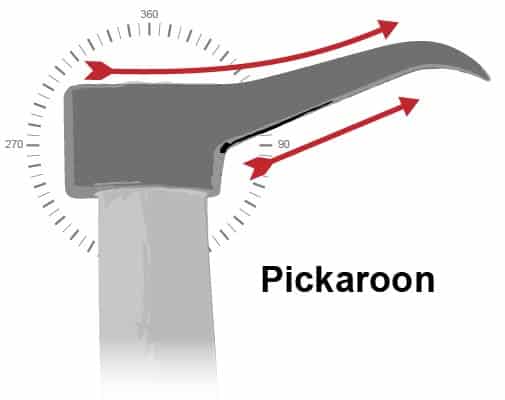
A pickaroon has a perpendicular head, whereas a hookaroon features an angled head. The pickaroon is for moving logs, and the hookaroon assists in both moving and handling wood.
Engaging with logs and lumber requires specific tools, and understanding the difference between a pickaroon and a hookaroon can significantly boost efficiency in handling timber. These tools, essential for loggers, woodworkers, and those managing firewood, are designed with sharp, metal ends to grip and move wood.
The pickaroon, with its straight head, excels at rolling and lifting logs. On the other hand, the hookaroon, with its angled approach, is adept at not only moving logs but also offers more control, which is especially useful when stacking or splitting wood. Their distinct designs serve unique functions, yet both stand as indispensable instruments in forestry and wood management tasks.
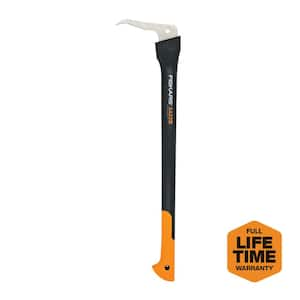
Basics of Pickaroon And Hookaroon. The forest’s handy helpers
These two tools might sound alike, but they have unique features and uses.
Tool Definitions
Understanding the functions of these tools is essential for effective work in wood handling.
- Pickaroon: A tool with a pointed end, made for piercing and grabbing wood.
- Hookaroon: Similar to a pickaroon but with a hooked end for a secure grip.
Origins And History
The origins of these tools trace back to European forestry traditions.
| Pickaroon | Hookaroon |
|---|---|
| Evolved from tools used in logging for its piercing action | Developed as an innovation for a better hold and pull capability |
Years of refinement led these tools to be invaluable to loggers worldwide.
Hookaroon vs Pickaroon
Welcome to the world of logging tools, where every instrument serves a purpose. Two such tools are the pickaroon and hookaroon. While they may look similar, these tools have distinct differences when it comes to design, functionality, and typical usage. Let’s dig into the nuances that set the pickaroon apart from the hookaroon.
Design And Functionality
The pickaroon and hookaroon differ mainly in their design. A pickaroon features a metal head with a sharp point. This design helps pierce and grab wood pieces.
On the other hand, a hookaroon has a hooked metal head. The hook design is perfect for grabbing and moving logs. When it comes to functionality, a pickaroon is excellent for stabbing and lifting. Meanwhile, a hookaroon secures logs better for dragging.
Material And Durability
Both pickaroons and hookaroons are typically made from hardened steel. This makes them durable and able to withstand tough conditions. The handles are often constructed from sturdy materials like hickory or fiberglass. These materials ensure the tools can endure regular use in harsh, outdoor environments.
Typical Use Cases
These tools have different sweet spots for use. Here’s when you’d ideally reach for each:
- Pickaroon: Useful for picking up smaller logs, splitting chunks, and clearing debris.
- Hookaroon: Ideal for pulling larger logs, positioning firewood, and feeding a chipper or splitter.
Making The Right Choice
Making the Right Choice between a pickaroon and a hookaroon can significantly affect your woodworking or lumber handling tasks. Understanding the differences helps you optimize your workflow effectively.
Assessing Your Needs
Before choosing between a pickaroon and a hookaroon, consider what tasks you often perform:
- Pickaroon: ideal for lifting and throwing logs.
- Hookaroon: perfect for pulling and handling lumber.
Think about the log sizes and the frequency of your wood-handling jobs to choose the best tool.
Safety Considerations
Safety is paramount when working with sharp tools like pickaroons and hookaroons.
| Tool | Safety Feature | User Benefit |
|---|---|---|
| Pickaroon | Tight grip handle | Less strain on hands |
| Hookaroon | Hooked end | Secure log handling |
Choose a tool with a design that reduces the risk of injury and enhances secure handling.
Selecting a pickaroon or a hookaroon depends on job specifics and crucial safety measures. Assess the types of wood you handle and the tool’s safety features for the best work experience.
Care And Maintenance of Pickaroon and Hookaroon
Proper care and maintenance keep your pickaroon and hookaroon in top condition. Both tools require regular upkeep to perform efficiently. Follow these easy care tips to ensure longevity and reliability.
Cleaning Practices
Keep your tools free from dirt and sap.
- Wipe the metal parts with a rag after every use.
- Use a brush or scraping tool to remove hardened debris.
- Apply oil lightly to prevent rust.
Storage Tips
Good storage prevents damage and preserves the tool’s integrity.
- Store in a dry, cool place.
- Keep the head upright to protect the tip.
- Avoid exposing to extreme temperatures.
Sharpening Techniques
A sharp pickaroon or hookaroon improves efficiency.
- Use a file designed for sharpening.
- Secure the tool in a vise before sharpening.
- Follow the original angle of the edge for consistency.
Frequently Asked Questions
What Is The Difference Between A Hookaroon And A Cant Hook?
A hookaroon is designed for grabbing and moving logs with a pointed end, while a cant hook has a claw for rolling and positioning logs.
What Is A Pickaroon Used For?
A pickaroon is a tool used for handling and moving logs or timber during logging operations. Its sharp hook and handle allow for efficient wood manipulation.
How Is A Hookaroon Used In Forestry?
A hookaroon is used in forestry for gripping, turning, and moving logs. Its sharp hook and handle allow loggers to reposition wood without bending over, improving efficiency and safety.
What Size Is A Pickaroon?
Pickaroons come in various sizes, typically ranging from 12 to 36 inches in handle length, with the head weight usually between 1. 5 to 2. 5 pounds.
Conclusion
Understanding the nuances between a pickaroon and a hookaroon is crucial for effective tool selection. Both are valuable for their specific functions in moving lumber and aid in reducing back strain. Remember, a pickaroon is excellent for piercing and lifting, while a hookaroon offers a secure grasp.
Choose according to your task needs and enhance your wood handling efficiency.
Leave a Reply